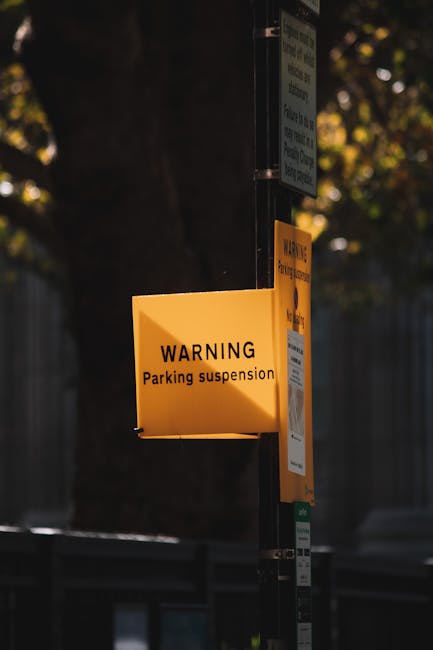
Street parking suspensions and fines for N11 moves
Posted on 06/07/2026
If you are moving house in N11, parking can be the part that quietly causes the biggest headache. The boxes may be ready, the van may be booked, and everyone may be on time, but one suspended bay or a badly parked removal vehicle can turn a decent moving day into a stressful, expensive scramble. Street parking suspensions and fines for N11 moves are not just admin details; they shape whether the team can load quickly, keep the access clear, and avoid a penalty that nobody budgeted for.
In practical terms, this topic sits right at the intersection of local parking controls, removal logistics, and timing. It matters whether you are moving from a flat near a busy high street, a terrace on a narrow residential road, or a property where the only realistic loading spot is on-street. If you plan it properly, you reduce delays, protect the move schedule, and make the day feel far calmer. If you ignore it, well... let's just say the silence after a ticket arrives is not the good kind.
This guide breaks down how street parking suspensions and fines usually affect N11 moves, what to check before moving day, how to reduce risk, and what good practice looks like for householders, tenants, and removal teams alike.

Why Street parking suspensions and fines for N11 moves Matters
N11 includes a mix of dense residential streets, through-roads, apartment access points, and parking restrictions that can change from one side road to the next. That variety is exactly why parking planning matters. A removal van needs more than just a legal place to stop; it needs enough space to work safely, often for a short but intense loading window.
Without a clear parking plan, three problems tend to appear fast. First, the van may have to park too far away, adding carry distance and time. Second, the crew may be forced to work in a traffic lane or awkward gap, which is never ideal. Third, a suspension or restriction breach can lead to a fine, a dispute, or both. Nobody wants a smooth move derailed by a paper ticket tucked under a wiper.
For N11 moves, the stakes are even higher because local roads often serve commuters, residents, deliveries, and school traffic all at once. A few minutes of poor planning can ripple through the whole day. In our experience, the moves that feel easiest are rarely the ones with the flashiest packing. They are the ones where parking, access, and timing were sorted early.
Key takeaway: parking is not a side issue in an N11 move. It is part of the moving plan, and if you treat it that way, the day is usually quieter, safer, and less expensive.
If you are also planning the rest of the move, it helps to pair parking planning with broader preparation. A useful starting point is this step-by-step house moving guide, and if clutter is part of the problem, decluttering before you move can reduce the number of trips and the pressure on the loading zone.
How Street parking suspensions and fines for N11 moves Works
Street parking suspensions are temporary parking controls that stop vehicles from using a specific bay or section of road for a particular period. For a move, they may be needed to reserve space for a removal van, protect access for nearby works, or keep the road clear for another permitted activity. If the suspension is in force, parking there anyway can create a penalty risk.
Fines usually come into play when a vehicle is parked in breach of a restriction, suspension, permit condition, or loading rule. The exact process depends on the authority responsible for the road and the type of restriction in place. That is why the paperwork matters. A sign may look simple at first glance, but the wording, dates, times, and bay markings are what decide whether you are compliant.
In a typical N11 move, the sequence looks something like this:
- Check the property access and available street parking around the pick-up and drop-off locations.
- Confirm whether any bays are suspended, restricted, or permit-only on the moving date.
- Arrange a suitable legal parking option for the removal vehicle, if needed.
- Brief the movers so they know where to stop and how long the space is available.
- Keep an eye on timing, because even a valid arrangement can become a problem if the van over-stays the allowance.
That last point catches people out more often than they expect. You may have a spot that is fine for loading, but if the move runs long and the area has short-stay rules, the risk changes. So yes, a parking plan is not just about finding a place. It is about using that place within the limits that apply.
For local access issues, the surrounding street layout also matters. A steep pavement edge, a corner bay, or a narrow turning area can slow the crew down. If that sounds familiar, this guide to narrow access challenges in N11 moves is worth a look, because access and parking tend to go hand in hand.
Key Benefits and Practical Advantages
Good parking planning does more than help you avoid a fine. It improves the whole moving day. The benefits are practical, not theoretical.
- Less carrying distance: a properly placed van means less time hauling heavy boxes up the street.
- Faster loading: a legal, well-positioned stop keeps the crew moving efficiently.
- Lower risk of damage: short, direct carrying paths reduce the chance of knocks, scrapes, and tired mistakes.
- Fewer delays: no last-minute circling for space while the clock ticks away.
- Better neighbour relations: a tidy, controlled loading setup tends to cause less friction on busy residential roads.
- Reduced chance of fines or disputes: that one is obvious, but still worth saying.
There is also a hidden benefit: calmer decision-making. Once the parking question is settled, everyone can focus on packing, lifting, and getting the job done properly. Truth be told, that mental breathing room helps more than people expect. A move is already full of noise, labels, doors, tape, and last-minute "where did the kettle go?" moments. Parking should not be the extra chaos on top.
Some people also use parking planning as part of a wider move strategy, especially when the move involves furniture, awkward items, or temporary storage. If you are moving larger items or want to reduce risk, practical heavy object lifting advice and furniture removals support can help you think through the physical side alongside the parking side.
Who This Is For and When It Makes Sense
This topic matters to almost anyone moving in or out of N11, but it is especially relevant if any of the following apply:
- You live on a road where parking is already tight.
- The property is in a flat or maisonette with no private driveway.
- The move needs a van stop close to the entrance because of stairs, distance, or heavy items.
- You are moving at a busy time of day when roadside space is scarce.
- You are trying to avoid a second trip because the van cannot legally wait outside for long.
- You are arranging the move at short notice and need to make the access work quickly.
It also makes sense if you are balancing multiple tasks. Students, families, office movers, and people moving between flats all face different pressures, but the parking question remains the same: where can the vehicle stop legally, safely, and long enough to make the job workable?
If your move is time-sensitive, a same-day or urgent booking adds even more pressure. In that case, you may find what to expect from urgent same-day removals useful, because short-notice moves often rely on quick access decisions. For students especially, student removals support can be helpful when budget, timing, and parking all need to line up at once.
Step-by-Step Guidance
Here is a practical way to handle street parking suspensions and fines for an N11 move without overcomplicating it.
1. Inspect the street access early
Do not wait until the van arrives. Walk the street in advance if you can, or check the immediate area around both properties. Look for bay markings, signs, double yellow lines, single yellow lines, loading restrictions, permit zones, and any obvious suspension notices.
2. Think in terms of van size and turning space
What looks fine for a car is not necessarily fine for a removal van. Consider the length of the vehicle, whether it can pull in safely, and whether loading doors can open without blocking the road. A van that technically fits but cannot operate properly is not much use.
3. Confirm timing windows
If a bay is only available for a certain period, build the move schedule around that. That means agreeing start times, estimating loading time realistically, and leaving a buffer. The buffer is not a luxury. It is the thing that keeps small delays from becoming ticket-worthy delays.
4. Match the plan to the job
For a light move, a short curbside stop may be enough. For a full household move, you may need a more careful arrangement with a clearer loading position. If the access is awkward, a man and van service or a larger removal van option may be more suitable depending on volume.
5. Prepare the property for a quick load
Make sure boxes are sealed, furniture is ready, and fragile items are easy to identify. A van waiting in a legal bay is useful; a van waiting while you hunt for the last lamp shade is less useful. Small joke, but only half a joke.
6. Keep communication tight on the day
Someone should know who is parking where, how long the space is available, and what to do if the street changes unexpectedly. A neighbour's builder, a delivery truck, or a sudden road obstruction can throw off the original plan. If that happens, adapt quickly and keep the crew informed.
7. Keep proof and notes where appropriate
Where parking arrangements exist, it helps to keep a record of the booking details, signs observed, and the agreed loading window. That can be useful if there is any confusion later. You are not preparing for a courtroom drama; you are just protecting yourself from avoidable hassle.
Expert Tips for Better Results
Here are the small, practical moves that usually make the biggest difference.
- Plan for a slower first 15 minutes. Even efficient teams need a short settling period while doors open, boxes are confirmed, and the parking position is checked.
- Use the closest legal loading point, not just the closest possible one. "Possible" and "legal" are not the same thing, and moving day is not the time to test that boundary.
- Build in one fallback option. If the ideal bay is taken, know the next best place before the van arrives.
- Label heavy or awkward items clearly. That saves time on the pavement and keeps the moving flow smooth.
- Keep the hallway clear. A clear exit means less time with the van door open and fewer interruptions.
- Be realistic about loading time. People often underestimate how long it takes to move a sofa through a tight landing or carry a freezer down steps. The day is easier when you under-promise and over-allow, just a bit.
There is another tip that sounds obvious but gets overlooked: coordinate parking with the removal team rather than treating it as a separate task. A crew that knows the street constraints can adjust positioning, lifting order, and loading rhythm. That kind of join-up is usually the difference between "fine" and "well, that went surprisingly well."
If your move includes specialist items, parking becomes part of the safety plan too. For example, piano moves need careful access planning, and you can read more in piano removals guidance and why precision matters in piano relocation.

Common Mistakes to Avoid
A lot of parking problems are preventable. The hard part is that the mistake usually looks small right up until it becomes expensive.
- Assuming a space is okay because it was fine last time. Restrictions change, and temporary suspensions can appear with little warning.
- Ignoring the sign details. Time windows, permit conditions, and bay markings matter more than a quick glance.
- Leaving parking until the van is on the way. By then, your choices are usually worse and your stress is higher.
- Underestimating how much road space the vehicle needs. A van may fit, but still block traffic or access.
- Forgetting about unloading time. You need time to move, not just time to stop.
- Not briefing the removal team. If the driver is guessing, the risk goes up.
Another common issue is hidden cost creep. One small oversight can lead to a ticket, a delay charge, or extra labour time. If you want to understand where moving quotes can quietly shift, this article on avoiding hidden fees in removal quotes is a sensible companion read.
And then there is the "we'll just sort it on the day" approach. To be fair, that approach works for some things in life. Parking for an N11 move is not one of them.
Tools, Resources and Recommendations
You do not need a complicated toolkit to manage street parking for a move. You need the right information, captured early and checked carefully.
- Street sign photos: take clear photos of any nearby parking signs before the move.
- Property notes: record door position, bay length, and any access obstacles.
- Move schedule: write down the planned arrival time, estimated load time, and fallback window.
- Inventory list: a simple list of furniture and boxes helps estimate how long the loading stage may take.
- Parking awareness: if the road is known for congestion or limited space, note the peak times and avoid them if possible.
Useful recommendations also include using a removal company that is used to local access issues and can adapt rather than panic. If you are comparing moving support, services overview information, general removal services, and removal company options can help you judge what kind of support fits your move. For storage overflow, local storage solutions may be useful if the parking window is tight and the move has to happen in stages.
Sometimes the smartest move is to simplify the load itself. That could mean better boxing, fewer loose items, or temporary storage for bulky furniture. If you want a better packing process, packing and boxes support and packing wisdom for house moves are practical reads. It all helps the parking plan work harder for you.
Law, Compliance, Standards, or Best Practice
This topic touches on parking rules, local street control, and road safety, so a careful approach is sensible. The exact legal position depends on the road, the restriction, and the authority responsible for the street. Rather than making assumptions, the best practice is to treat every sign and every permit condition as real, current, and binding unless confirmed otherwise.
For movers and residents, the safest habits are straightforward:
- Read all nearby parking signs fully, not just the top line.
- Assume temporary suspensions override normal parking habits for the affected space.
- Do not block dropped kerbs, junctions, or access routes.
- Keep loading to the time and place that have been agreed or permitted.
- Use a professional approach when a vehicle is large, heavy, or operating in a tight street.
From a best-practice perspective, good moving firms should prioritise safety, clear communication, and lawful parking arrangements. If they also explain their working methods clearly, that is a good sign. You can see a similar approach in our health and safety policy and insurance and safety information, which reflect the kind of caution and structure that helps on moving day.
For customers, the main compliance lesson is simple: do not gamble with street parking just because the move feels urgent. Urgency is exactly when rules get overlooked, and that is when the fine tends to appear. A calm, lawful setup is always the better bargain.
Options, Methods, or Comparison Table
There are usually a few ways to manage parking for an N11 move. The right one depends on access, street layout, vehicle size, and how much you are moving.
| Method | Best for | Pros | Watch-outs |
|---|---|---|---|
| Standard on-street loading spot | Smaller moves, short loading windows | Simple, quick, often convenient | Space may be limited; restrictions can apply |
| Pre-arranged suspended bay | Busier streets and fuller house moves | Clearer access, less circling, better van positioning | Needs planning and timing discipline |
| Nearby legal overflow spot | When the ideal space is taken | Useful fallback, keeps the move moving | Longer carry distance, slower loading |
| Staged move with storage | Complex moves, tight roads, lots of furniture | Reduces pressure on parking and timing | More coordination required |
In practice, many N11 moves work best with a blend of methods. A suspended bay might handle the main load, while a legal fallback spot covers any snag. If you are moving from a flat or dealing with stairs, you may want to combine parking planning with access planning and item staging. For those situations, flat removals support and the earlier apartment access fixes article can be useful references.
Case Study or Real-World Example
A typical N11 scenario goes like this. A couple moving from a first-floor flat near a busy residential road assumed they could use the nearest bay on the morning of the move. The van arrived, but the closest space was already occupied, and the next space had a sign they had not checked properly. Cue a slightly tense ten minutes, a couple of phone calls, and a much longer carry distance than planned.
They eventually found a legal stopping point a short way down the road, but the move slowed right down. Boxes had to be carried farther, the sofa took more effort to manoeuvre, and the crew had to work around passing traffic. Nothing disastrous happened, but the whole process became harder than it needed to be.
If they had done three small things differently, the day would have been smoother:
- Checked the street a day or two earlier.
- Confirmed the restriction signs on both sides of the road.
- Built in a backup loading spot.
That sort of example is common. It is not dramatic, just annoying. And annoyance is expensive on moving day because it costs time, energy, and patience. If you are preparing a move from a busy local route, this moving checklist for Turnpike Lane offers a useful mindset for planning around road and access conditions, even if your exact street is different.
Practical Checklist
Use this quick checklist before moving day:
- Confirm the move date and arrival window.
- Walk or inspect both property fronts for parking signs.
- Check for temporary suspensions or permit-only bays.
- Identify the closest legal loading point.
- Mark a fallback parking option.
- Tell the removal team about any narrow roads, stairs, or awkward access.
- Prepare boxes and furniture so loading starts quickly.
- Keep phones charged and contact details handy.
- Take photos of relevant signs if anything looks unclear.
- Allow extra time for loading, especially with larger furniture.
If you are juggling a lot at once, keep the checklist simple and visible. A sheet on the fridge or taped to a box lid can save real time later. And yes, a bit of paper still beats trying to remember everything while half-wrapped in bubble wrap.
Conclusion
Street parking suspensions and fines for N11 moves are not the glamorous part of moving, but they are one of the most practical. Get the parking right, and the rest of the move has room to breathe. Get it wrong, and even a well-organised move can become slower, pricier, and far more stressful than it should be.
The simplest approach is the best one: check the street early, read the signs properly, match the parking plan to the size of the job, and keep a backup option in your pocket. Add good communication, a realistic time buffer, and a crew that understands local access issues, and you are already ahead of the game.
Get a free quote today and see how much you can save.
Moving is always a bit of a juggling act, but with the parking side handled properly, it stops feeling like a scramble and starts feeling manageable again. That alone is a relief.