Haringey Council permits for removals on Bounds Green Road
Posted on 26/06/2026
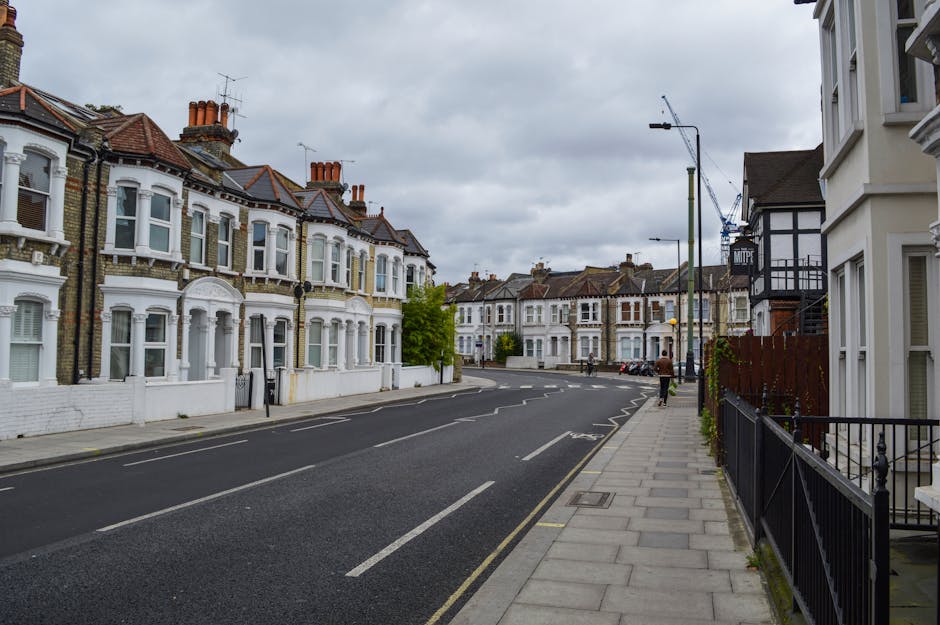
Haringey Council permits for removals on Bounds Green Road: what you need to know before moving day
If you are planning a move on Bounds Green Road, the permit question can sneak up on you fast. One minute you are arranging boxes and comparing van sizes; the next, you are wondering whether Haringey Council permits for removals on Bounds Green Road are needed to avoid a frustrating fine or a van circling the block while everyone waits. It is a very local problem, but it has a very real impact on timing, access, and stress levels.
This guide breaks the whole thing down in plain English. You will learn what the permit is for, how it usually works in practice, when it matters most, and how to plan around it without overcomplicating your move. We will also look at common mistakes people make, a practical checklist, and the kind of preparations that make moving day feel much calmer. To be fair, that calm is half the battle.
Why Haringey Council permits for removals on Bounds Green Road Matters
Moving is already busy enough. Add a narrow road, limited stopping space, and a removal van that needs room to load or unload, and suddenly parking becomes a central issue rather than a side note. On a road like Bounds Green Road, even a short delay can snowball into missed lift access, longer labour time, and unhappy neighbours. A permit can help reduce that risk.
In practical terms, the permit exists to manage how a vehicle uses the public highway. That might include suspending a bay, reserving access, or allowing a removal vehicle to stop legally in a controlled area. When it is done properly, the move feels smoother. When it is not, you may find the van parking far away, carrying heavier loads for longer distances, or trying to squeeze in around traffic. Nobody wants that at 8:00 on a damp London morning, with rain on the windscreen and a sofa still half-wrapped.
It also matters because removal teams often work to tight time windows. If a permit is required and not arranged, the team may have to improvise on the day, which is rarely ideal. That can affect everything from cost to safety. And yes, it can become one of those annoying little issues that everyone notices only after the first box has already been lifted.
If you are also trying to coordinate packing, decluttering, and furniture protection, it can help to read a wider moving checklist such as step-by-step advice for a calmer house move and how decluttering can make the move easier. Less clutter, fewer trips, fewer headaches. Simple, but effective.
How Haringey Council permits for removals on Bounds Green Road Works
The exact process can vary depending on the location, the type of vehicle, the time needed, and whether any parking restrictions are already in place. That said, the basic logic is usually straightforward: you identify the need, confirm the stop location, arrange the permit or parking dispensation if required, and make sure the vehicle is using the space as agreed.
For removals, the most common scenarios are:
- a van needs to stop on a restricted or limited parking stretch
- loading and unloading will take longer than a quick drop-off
- the property sits on a road with limited kerb space or heavy traffic flow
- the move involves bulky furniture or long carry distances
In real life, the practical question is not just "Do I need a permit?" but "Where will the van actually sit while the move happens?" That one detail affects the whole day. If the van is parked too far away, the team spends extra time walking back and forth. If it is parked awkwardly, it may block traffic, annoy residents, or attract enforcement attention. Neither is a good look.
For certain types of moves, especially when access is tight, it can be worth pairing permit planning with a broader access strategy. You might find useful context in planning parking for a removal team in a busy local street and handling narrow access and staircase challenges in N11 moves. The permit is only one piece of the puzzle, but it is often the piece that keeps the rest in line.
A sensible rule of thumb: if your move depends on close vehicle access, do not leave parking to chance. On Bounds Green Road, chance is a poor moving strategy.
Key Benefits and Practical Advantages
Getting the permit or parking arrangement right gives you more than compliance. It gives you control. And on moving day, control is gold.
1. Faster loading and unloading
When the van can park close to the property, the crew spends less time walking, carrying, and re-routing. That improves pace without cutting corners. You will notice this most with heavy items, awkward furniture, or a flat where several trips are needed.
2. Better safety
Less distance between property and vehicle means less manual carrying through traffic, fewer chances to drop an item, and lower strain on the team. If you are dealing with anything especially bulky, it also reduces the temptation to rush. A bit of calm goes a long way.
3. Reduced risk of fines or complaints
A properly planned stop is less likely to trigger enforcement action or create neighbour friction. That matters on residential roads where spaces are tight and everyone has an opinion. You know the sort of street. One missed gap and suddenly half the road is watching.
4. More predictable scheduling
Removal work is easier to time when access is settled in advance. That helps if you have a lift booking, a handover deadline, or school run timings to work around. Predictability sounds boring, but it is lovely on moving day.
5. Better customer experience overall
There is a world of difference between a move that feels organised and one that feels improvised. When parking is planned properly, everything else tends to feel easier too: packing, route planning, lift use, and even where boxes are stacked at either end.
That broader organisation often starts before the van arrives. Good packing helps, as does sensible box labelling and deciding what should travel first. If you want support on that side too, take a look at packing wisdom that improves moving day flow and the practical guide on packing and boxes in Bounds Green.
Who This Is For and When It Makes Sense
Not every move on Bounds Green Road needs the same level of parking planning. But quite a few do, especially if any of the following apply:
- you are moving from or into a flat where access is tighter than average
- the property is on or near a busy stretch of road
- you need the van to stop close to the entrance for heavy items
- you are moving at a time when the street is likely to be busy
- you have large furniture, appliances, or fragile specialist items
This is particularly relevant for families, tenants with deadline-driven move-outs, students on a tight timetable, and anyone coordinating multiple helpers. It also matters for commercial jobs such as office relocations where timing is tightly planned and the loading window is fixed. Truth be told, if you are moving a piano or a very heavy wardrobe, you probably want every metre of access you can get.
For smaller or very short moves, you may still need to think about access, but the overall setup may be simpler. If you are unsure, a quick move assessment is usually better than guessing. Guessing is how people end up carrying a sofa halfway down the road while a car waits behind them. Not ideal, and a bit comedic in hindsight, but still not ideal.
For some jobs, a service like man with a van in Bounds Green or house removals in Bounds Green may be enough; for others, a more structured approach with professional removal planning is the safer option. The right choice depends on the property, load size, and access.
Step-by-Step Guidance
Here is a practical way to approach the permit side of a removal on Bounds Green Road without turning it into a second job.
- Check the access conditions outside the property. Look at bay restrictions, yellow lines, nearby junctions, dropped kerbs, and any obvious no-stopping risk points. Do this in daylight if you can. Evening looks can deceive.
- Estimate the vehicle position needed. Think about where the van should stand to keep carrying distances short. Consider front door access, stairwells, lift access, and how far large furniture must be moved.
- Confirm whether a permit or parking arrangement is needed. If the stop will interfere with normal parking, loading, or restrictions, plan for a permit early rather than late. Last-minute applications are where stress multiplies.
- Match the permit window to your moving slot. Make sure the time you reserve lines up with collection, loading, and any expected delays. A tight window can work, but only if everyone knows the plan.
- Share the plan with the removal team. Give the crew the exact property position, any access notes, and any warnings about narrow roads, steep kerbs, or blocked bays. The more they know, the less they have to improvise.
- Prepare both ends of the move. If the team can unload quickly, the permit period is used more efficiently. Pack items in advance, keep walkways clear, and separate the essentials.
- Keep a backup option. If the planned spot is unavailable, have a nearby alternative in mind. This is especially useful on busier streets where space changes quickly.
If you are moving within the area, a local checklist can be a real help. The guide for moving from Turnpike Lane with a local checklist is a useful example of how to organise a neighbourhood move without missing the practical bits.
Expert Tips for Better Results
A few small habits make a very big difference here. The permit itself matters, yes, but the surrounding planning matters just as much.
Book access planning before packing is finished
People often leave the parking question until the boxes are almost done. That is backwards. Sort the vehicle access early so the packing plan can follow it. If you know the van will sit a little farther away, pack heavier items in smaller cartons and keep fragile items clearly marked.
Use move-day sequencing intelligently
Get the bulky or awkward items loaded first while everyone is still fresh and access is clean. Once smaller boxes start filling the van, loading gets harder. The first 30 minutes often set the tone. A good crew knows this instinctively.
Think about object type, not just quantity
One piano can be more challenging than twenty boxes. One large fridge can turn a simple stop into a careful operation. If you are moving specialist items, you may need not only permit planning but also the right lifting method and route inside the property. For that sort of work, this piano removals page for Bounds Green is a useful reference point.
Do a quick street-level reality check
Maps help, but they do not replace standing on the pavement and looking at the actual kerb space. A road can appear straightforward online and then turn out to have awkward bends, resident cars, or delivery bottlenecks. Always better to know than assume.
Keep communication boring and precise
Clear notes beat vague reassurance every time. Tell the team where to arrive, what time the access opens, whether there is a keypad or intercom, and whether the nearest stopping point has any restrictions. Boring details are often the important ones. Funny how that works.
And if the move involves storage, a second stop, or a staged relocation, you might also want to read storage options in Bounds Green and long-term storage tips for bulky furniture. That can make a complex move feel a lot less messy.

Common Mistakes to Avoid
The biggest mistakes here are usually not dramatic. They are small oversights that lead to big irritation later.
- Leaving parking planning until the morning of the move. By then, the easiest options may already be gone.
- Assuming the van can stop "just for a minute." On a restricted street, a minute can still be enough to cause a problem.
- Not matching permit time to loading reality. If the property is on an upper floor or has long carry distances, loading will take longer than expected.
- Ignoring local traffic patterns. School runs, commuter flow, and delivery traffic all change how a street works.
- Failing to tell the movers about access issues. A team can only plan around what it knows.
- Confusing permit planning with full move planning. The permit helps, but it does not fix poor packing, poor sequencing, or clutter in the hallway.
One of the sneakiest problems is underestimating the size of the vehicle needed. If the van is too small, you create extra journeys, extra loading cycles, and extra pressure on the permit window. That can be expensive in time, even if it looks cheaper at first. A classic false economy, really.
If you want to avoid moving-day surprises more broadly, the article on avoiding hidden fees in removal quotes is worth a look too. It is not directly about permits, but it does help with the planning mindset.
Tools, Resources and Recommendations
You do not need a complicated toolkit, but you do need a few practical things in place.
- A move-day checklist for times, access notes, keys, and contact numbers
- Household floor plan or room labels so boxes go to the right space quickly
- Packing tape, markers, and labels for clear box identification
- Furniture blankets, straps, and protective wrap for safe handling
- Photo notes of the street and kerb space so you can brief the team accurately
- Contingency parking note in case the preferred stopping point is occupied
If you are using a professional mover, it helps to choose a company that treats access planning as part of the job, not an afterthought. Services such as removal services in Bounds Green and removal companies in Bounds Green are useful to compare because access support, not just vehicle size, can make all the difference.
For general moving preparation, this page on services overview can help you understand the wider picture, while pricing and quotes can support budgeting before the move gets too far along.
And a small but important note: if your move involves fragile items, a piano, or heavy furniture, do not treat all loads the same. Specialist handling needs specialist planning. That sounds obvious, but people still forget it when the kettle is boiling and the van is waiting.
Law, Compliance, Standards, or Best Practice
For parking and removals, the sensible approach is to follow the relevant local parking rules, highway restrictions, and any permit conditions that apply to your exact stop location. The detail can vary by street layout and by the type of restriction in place, so the safest practice is to verify what applies before the move rather than assuming a general rule will fit your address.
From a best-practice point of view, the key principles are simple:
- do not obstruct traffic or emergency access
- do not assume loading automatically overrides restrictions
- keep the vehicle within the agreed stop window
- follow any conditions attached to the permit or parking arrangement
- make sure the crew understands the boundaries of the booking
It also helps to think in terms of duty of care. Safe loading, safe access, and sensible vehicle positioning all matter. If you are moving items that are especially heavy, awkward, or breakable, the right method is more important than brute force. That is where insurance and safety guidance and a careful approach to lifting can support the move properly.
There is a wider practical standard here too: good moving work should reduce risk, not create it. If a permit helps shorten carry distances, reduce blocking, and prevent rushed handling, that is a genuine operational benefit. It is not just paperwork for the sake of paperwork.
Options, Methods, or Comparison Table
Depending on the property and timing, you may have a few different ways to handle access on Bounds Green Road. Here is a simple comparison to help you think it through.
| Option | Best for | Pros | Trade-offs |
|---|---|---|---|
| Arranging a permit or parking arrangement | Moves needing close roadside access | More predictable, safer loading, less carrying | Needs early planning and accurate timing |
| Using a nearby legal space without a permit | Very short, low-impact moves | Simple if space is available | Can add walking distance and time pressure |
| Loading from a farther access point | Where roadside stopping is difficult | May avoid permit administration | Longer carries, slower pace, more fatigue |
| Staged move with storage | Large homes or complicated handovers | Less rush, more flexibility | Requires extra coordination and possibly another trip |
In many cases, the permit approach wins because it reduces uncertainty. But if you are moving a very small load or have an unusually forgiving parking setup, another method may be more efficient. The right answer depends on the street, the property, and the load, not on guesswork.
Case Study or Real-World Example
A typical local example: a couple moving from a first-floor flat on Bounds Green Road with a sofa, bed frame, several boxes, and a couple of white goods. On paper, it looks manageable. In reality, the road is active in the morning, the loading space is limited, and the front door sits a fair walk from the most convenient legal stopping point.
They initially thought the van could just stop outside for a quick load. But after checking the road conditions, they realised that plan would be shaky. Instead, they arranged the access properly, cleared the hallway the night before, grouped the boxes by room, and made sure the moving team had a clear time window. The difference was obvious: fewer wasted steps, less shouting from the pavement, and no awkward scramble to move the van when traffic built up.
Nothing flashy happened. Which is exactly the point. A good move often looks uneventful from the outside. The van arrives, the team unloads, boxes go where they should, and everyone gets on with their day. That quiet efficiency usually comes from careful planning long before anyone touches the first box.
If your move includes furniture that needs extra care, the page on furniture removals in Bounds Green may be relevant, and for smaller or faster turnaround jobs, same-day removals in Bounds Green can help you understand time-sensitive planning.
Practical Checklist
Use this checklist to keep the permit side of the move under control:
- Confirm the exact property address and street position
- Check for bays, yellow lines, and stopping restrictions
- Decide where the van needs to park for the shortest safe carry
- Allow enough time for loading and unloading, not just driving
- Tell the removal team about access issues in advance
- Prepare a backup stopping point nearby
- Clear hallways, stairs, and entrances before the van arrives
- Label boxes clearly so unloading is quicker
- Keep keys, contact details, and building entry info handy
- Review the move schedule the day before, then again in the morning
A final little tip: take one walk outside with your phone before the move and photograph the street scene. It sounds basic, maybe even a bit nerdy, but those photos can be surprisingly useful when briefing the crew or double-checking a parking spot. Small effort, real payoff.
Get a free quote today and see how much you can save.
Conclusion
Haringey Council permits for removals on Bounds Green Road are not just an administrative detail. They are part of what keeps a move organised, lawful, and manageable. When parking is sorted early, the rest of the day tends to feel lighter. Less waiting. Less carrying. Less last-minute improvisation.
That is the real takeaway. Good removal planning is not about making things complicated; it is about removing avoidable friction. If you get the street access right, pack with care, and brief the team properly, your move has a much better chance of feeling calm and efficient. And on a busy London road, that is worth a great deal.
Take the time to plan it once, plan it properly, and you will thank yourself later. Moving day already has enough surprises.