Proper furniture disposal rules in Bounds Green (Haringey)
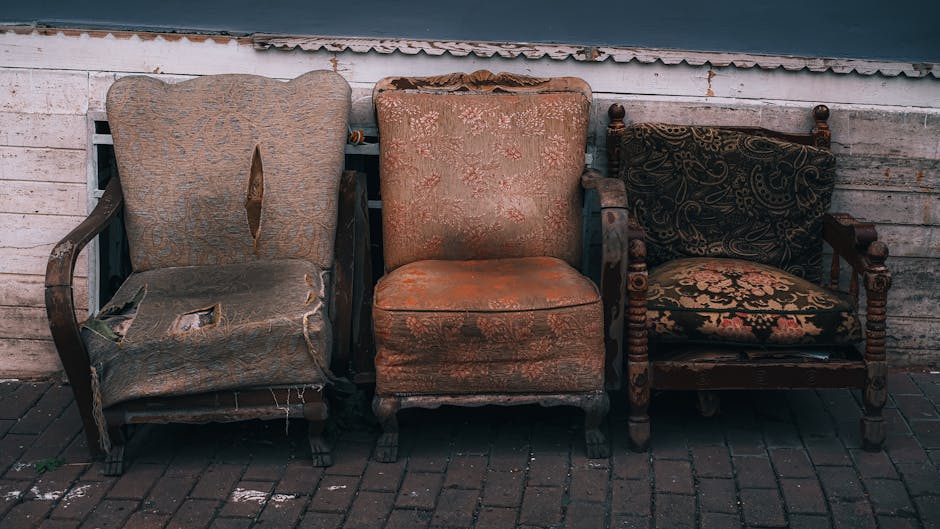
Getting rid of an old sofa, wardrobe, mattress, or dining table sounds simple until you hit the usual questions: can it be left out, who collects it, what counts as fly-tipping, and how do you stay on the right side of local rules? Proper furniture disposal rules in Bounds Green (Haringey) matter because furniture is bulky, awkward, and easy to dispose of badly if you rush. One wrong move can create clutter on the pavement, cause safety issues, or leave you with a problem you did not plan for.
This guide walks through the practical side of furniture disposal in plain English. You will learn how the process usually works, what to check before you move anything, how to avoid common mistakes, and when it makes sense to use a removal team for heavy or awkward items. If you are clearing a flat near Bounds Green station, dealing with a house move, or replacing office furniture, the same basic principles apply.
Why Proper furniture disposal rules in Bounds Green (Haringey) Matters
Furniture disposal is not just a tidy-up task. In a busy part of North London like Bounds Green, oversized items can quickly become a nuisance if they are left in the wrong place or handled carelessly. A chair on the pavement is one thing. A broken chest of drawers blocking a shared walkway at 8 a.m. is another. That is where the rules matter most.
There are three big reasons to take it seriously. First, safety. Heavy items can injure whoever is carrying them, and they can block access for neighbours, delivery drivers, or emergency services. Second, cleanliness. Upholstered furniture and timber pieces can attract damp, dirt, or vermin if they sit outside too long. Third, responsibility. If you dump furniture without following the proper route, you may end up responsible for an issue that could have been avoided.
Let's face it, nobody wants to turn a simple clear-out into a complaint from the building manager or a headache with the council. In our experience, the best disposal jobs are the boring ones: planned, labelled, and removed on time. That is the aim here.
How Proper furniture disposal rules in Bounds Green (Haringey) Works
The exact route depends on the item, its condition, and where you live, but the process usually follows a simple logic. Decide whether the furniture can be reused, sold, donated, dismantled, collected, or taken away as waste. Then choose the safest and most suitable route.
In practice, good furniture disposal usually falls into one of these paths:
- Reuse or resale if the item is clean, intact, and still useful.
- Donation if a charity or reuse organisation can accept it.
- Kerbside or booked collection where a local service accepts bulky waste.
- Private removal for larger loads, stairs, awkward access, or mixed rubbish.
- Recycling or dismantling where the item needs to be broken down into separate materials.
For many households, the trickiest part is not lifting the furniture. It is deciding what qualifies as recyclable, reusable, or simply waste. A wooden bed frame may be worth dismantling. A soggy sofa with damaged upholstery is usually not. A solid table with only cosmetic wear? That may have a second life.
If you are arranging a bigger clear-out alongside a house move, it often helps to think in batches. A move is already noisy enough, frankly, so removing one decision at a time keeps things manageable. Services such as furniture pick-up or broader removal services can make that process less stressful when the items are bulky or hard to carry through narrow hallways.
Key Benefits and Practical Advantages
Following proper disposal rules is not just about compliance. It makes the whole clear-out easier, cheaper in the long run, and less likely to go wrong at the worst moment.
- Less risk of fines or complaints when items are handled correctly.
- Better use of reusable furniture instead of sending everything to waste.
- Safer lifting and loading for you, your neighbours, and any removals crew.
- Cleaner communal areas in flats, terraces, and shared entrances.
- Faster move-out days because items are sorted before the pressure kicks in.
- More accurate costs when you know what is being removed and why.
There is also a quieter benefit: peace of mind. When the old sofa is gone, the flat suddenly feels lighter. Sounds a bit dramatic, maybe, but anyone who has tried to squeeze a three-seater down a tight staircase knows the feeling. Once it is removed properly, the space opens up again.
For commercial or office settings, the same logic applies. Desks, cabinets, meeting chairs, and reception furniture can be removed in a structured way, and that is often easier if you already have a plan. If you are clearing a workplace, it may be worth looking at office removals or commercial moves alongside the disposal plan.
Who This Is For and When It Makes Sense
This topic is relevant to more people than you might expect. Furniture disposal comes up in all sorts of ordinary moments, usually when life is already busy.
- Tenants moving out of a flat and needing to clear old furniture before checkout.
- Homeowners replacing worn or damaged pieces.
- Landlords clearing furniture between lets.
- Families dealing with inherited items that need sorting.
- Students and sharers with limited storage and tight move dates.
- Local businesses refreshing office furniture or clearing stockroom pieces.
It makes sense whenever the item is too big for normal bins, too heavy for a single person, or too awkward to move without help. A mattress on its own is manageable. A wardrobe with mirrored doors on a landing with a sharp turn? That is where people suddenly realise they needed a plan three days earlier.
If you are comparing help options, a local man and van arrangement can suit smaller jobs, while bigger clearances may be better served by a larger team such as movers or a dedicated removal company. The right fit depends on access, volume, and how quickly the furniture needs to go.
Step-by-Step Guidance
If you want to handle furniture disposal properly, keep the process calm and structured. Here is a practical way to do it.
- List every item
Walk through the room and note what is being removed. Include bulky extras such as headboards, bed bases, shelving, or office chairs. It sounds obvious, but people miss one item all the time. - Check condition and reuse potential
If something is clean, solid, and safe, ask whether it could be sold, donated, or reused. If it is damaged, broken, heavily stained, or has pest issues, disposal is usually the right route. - Measure access points
Measure doorways, stairwells, lifts, corners, and any narrow hallways. A quick measurement saves a lot of swearing later. - Dismantle where sensible
Removing legs, headboards, and panels can make transport safer. Keep screws and fittings in a labelled bag so nothing vanishes. - Separate materials
Wood, metal, glass, textiles, and foam may need different handling. If the item can be broken down safely, that often improves recycling options. - Choose the disposal route
Book a collection, arrange a private pickup, or take items to a suitable facility if you have access. For awkward or heavy items, a booked collection is often the least stressful choice. - Confirm timing and placement
Agree exactly when items will be removed and where they will be placed. In shared buildings, do not leave things in corridors or on the pavement unless the collection method specifically allows it. - Keep proof of disposal or collection
For tenancies, landlords, or commercial properties, it can help to keep a record that the furniture was removed properly.
That last bit matters more than people think. When a property manager asks what happened to the old units, it is much easier to answer with a clear record than with a vague shrug.
Expert Tips for Better Results
Good furniture disposal is not complicated, but a few small habits make the job far smoother.
- Sort before you lift so reusable items are not mixed with waste.
- Protect floors and walls with blankets or covers if you are moving items through a narrow home.
- Work backwards from collection day to avoid last-minute panic.
- Use two people for awkward items, even if you think one strong lift will do it. It rarely does.
- Check for hidden damage inside drawers, under cushions, or at the base of cabinets.
- Avoid placing furniture outside early unless you have a confirmed collection window.
A small but useful habit: photograph the item before it leaves. That helps with move records, landlord handovers, and simple memory. Human memory is not always the hero we like to think it is.
If you also need packing help during a move, services like packing and unpacking services can reduce the chaos around disposal day. Less scrambling, fewer broken edges, and a better chance of getting the right items into the right pile.
Common Mistakes to Avoid
Most disposal problems come from rushing. The item is big, the hallway is narrow, and everyone just wants it gone. That is usually when mistakes happen.
- Leaving furniture on the street without permission or a booked collection.
- Assuming any pickup is automatically legal without checking the provider or process.
- Forgetting to remove cushions, drawers, glass, or detachable parts.
- Mixing reusable furniture with damaged waste.
- Blocking shared access points in flats or terraces.
- Choosing the wrong vehicle size and having to do a second run.
- Not checking who is responsible if you rent or manage a property.
One common error is underestimating how long it takes to remove bulky furniture from older properties. Bounds Green has plenty of homes with tight stairs, awkward corners, and limited parking. You know the sort. That lovely Victorian staircase becomes less lovely when a wardrobe is halfway down it.
Another easy slip is forgetting that some items can be handled as separate materials. A table with a metal frame and wooden top may need dismantling before it can be dealt with properly. Tiny detail, big difference.
Tools, Resources and Recommendations
You do not need specialist gear for every job, but a few basics make furniture disposal safer and less messy.
- Measuring tape for doors, lifts, and item dimensions.
- Work gloves to reduce cuts, splinters, and grime.
- Blankets or furniture covers to protect walls and polished surfaces.
- Basic tools for dismantling beds, tables, or flat-pack furniture.
- Heavy-duty bags or boxes for loose fixings and small components.
- Labels or tape so you can mark what is being reused, kept, or removed.
From a service perspective, it helps to choose a provider that can handle lifting, loading, transport, and sensible disposal in one go. That is especially useful if you are also moving house. A combined approach can be more efficient than juggling several people and time slots.
To compare options for a wider move, you may also find home moves, house removals, or man with van removal services useful depending on how much furniture is involved and how quickly you need it cleared.
Law, Compliance, Standards, or Best Practice
Furniture disposal sits within the wider UK framework for responsible waste handling. You do not need to memorise legislation to act properly, but you do need to understand the basic expectation: do not dump items, do not block public spaces, and do not hand waste to someone who cannot clearly deal with it properly.
For households, the main practical standard is simple. Keep furniture removal organised, use a legitimate collection route, and avoid leaving bulky items where they could become fly-tipping or cause obstruction. For landlords, letting agents, and businesses, there is usually a stronger duty to show that waste has been handled responsibly. That may include keeping records, using trusted removers, and planning disposal as part of the handover or relocation process.
In plain terms, compliance is about traceability and common sense. If you cannot explain where the furniture went, that is a warning sign. If a provider will not tell you how items are being collected or removed, that is another one. Ask questions. A proper professional will not mind.
Where health and safety is concerned, lift with care and avoid damage to communal areas. Good practice also means respecting neighbours. No one enjoys a doorway full of old chairs at dinner time. It happens, though.
Options, Methods, or Comparison Table
Different disposal methods suit different situations. The best choice depends on condition, size, access, timing, and how much effort you want to spend. Here is a simple comparison.
| Method | Best for | Advantages | Watch out for |
|---|---|---|---|
| Reuse or resale | Good-condition furniture | Can extend the life of the item and reduce waste | May take longer and needs the item to be presentable |
| Donation or giveaway | Usable furniture with decent condition | Practical and often appreciated | Not every item will be accepted |
| Booked bulky collection | Single items or small sets | Simple and structured | Timing and accepted item types can be limited |
| Private removal service | Large, heavy, or awkward loads | Flexible, quicker, and suited to stairs or tight access | Usually costs more than DIY |
| DIY transport | People with the right vehicle and help | Can be cost-effective | Labour, parking, and loading risks are easy to underestimate |
If you have one armchair and good access, DIY might be fine. If you have a sofa-bed, two wardrobes, and a staircase that turns sharply halfway down, a professional solution will probably save time and a few headaches. Truth be told, that second option is the one people usually regret trying alone.
Case Study or Real-World Example
Here is a realistic example from the kind of job that comes up all the time.
A couple in Bounds Green were moving from a second-floor flat and had a sofa, a bed frame, two mattresses, a desk, and a damaged bookcase to deal with. They had been meaning to sort it for weeks, but the move date arrived quicker than expected. Very typical. The flat had a narrow stairwell, limited parking, and a lift that was too small for the largest pieces.
Instead of trying to force everything out in one go, they sorted the items into three groups: reuse, remove, and dismantle. The bookcase and desk were dismantled first. The bed frame was broken down and bundled. The sofa and mattresses were scheduled for pickup using a team that could handle lifting and loading in one visit. That kept the communal hallway clear and avoided dragging items outside before collection.
The result was not flashy. It was just orderly. And orderly is what you want. No damaged walls, no neighbour complaints, no frantic reshuffling on the morning of the move. By the end of the day, the flat looked empty in the good way, not the chaotic way.
That kind of approach works equally well for house clearances and smaller office jobs. If the furniture is part of a relocation rather than a standalone disposal, services such as house movers and office relocation services can help keep the process joined up instead of fragmented.
Practical Checklist
Use this checklist before the furniture leaves your property.
- Have I listed every item that needs to go?
- Can any piece be reused, donated, or sold instead of discarded?
- Have I checked the item size against doors, stairs, and lifts?
- Do I know whether it needs dismantling?
- Are screws, fittings, and loose parts bagged and labelled?
- Have I chosen the right collection or removal method?
- Is the access route clear and safe?
- Have I protected floors, corners, and walls where needed?
- Do I know the time window for collection or removal?
- Have I kept any records, photos, or notes I may need later?
If you can tick most of those off, you are in good shape. If not, pause for ten minutes and sort the plan before moving anything. It genuinely saves time.
Conclusion
Proper furniture disposal rules in Bounds Green (Haringey) are really about three things: safety, responsibility, and making life easier for yourself. When you plan the removal properly, bulky furniture stops being a problem and becomes just another task that was handled well. Nothing dramatic. Nothing messy. Just done right.
Whether you are clearing a single sofa, emptying a flat before a move, or dealing with a larger office change, the same principle holds: sort first, move carefully, and choose the route that fits the item rather than forcing the item to fit the route. That simple shift can save time, reduce waste, and keep you out of the sort of trouble nobody needs.
If you want a smoother, safer way to clear bulky items, take a moment to compare your options and choose the most practical one for the space you have. A well-managed disposal job is one of those small wins that makes the whole property feel better. And honestly, that relief is worth quite a lot.
Get a free quote today and see how much you can save.
Frequently Asked Questions
Can I leave old furniture on the pavement in Bounds Green?
Not unless you have arranged a collection method that specifically allows it. Leaving items out casually can create obstruction, complaints, and possible enforcement issues. It is always safer to book the right pickup first.
What should I do with a sofa that is still in good condition?
If it is clean and usable, consider reuse, donation, or resale before disposal. Good-condition furniture is often better kept in circulation than treated as waste straight away.
Do I need to dismantle furniture before disposal?
Not always, but dismantling often helps with safety and access. Beds, wardrobes, and shelving are much easier to remove in pieces, especially in homes with narrow stairs or tight corners.
Is furniture disposal the same as rubbish removal?
Not quite. Furniture disposal usually needs more planning because the items are bulky, heavy, and sometimes recyclable in parts. General rubbish removal is often simpler, while furniture needs a more careful approach.
What happens if I use the wrong person to take away my furniture?
You could end up with items dumped illegally, which can come back as a problem for you. Always use a provider or collection method that is clear about where the furniture is going and how it will be handled.
Can I mix furniture with general household waste?
You can place them in the same broader clear-out plan, but it is usually better to separate them. Furniture often needs different handling, and separating it can improve recycling and make loading much easier.
How far in advance should I plan furniture disposal?
For one or two items, a few days may be enough if access is easy. For a larger clear-out, plan earlier. If it is tied to a move-out date, give yourself extra time because delays always seem to arrive on moving week.
What are the biggest risks with DIY furniture disposal?
The biggest risks are injury, property damage, parking issues, and underestimating how much space the items actually need. A sofa looks smaller in the lounge than it does halfway down a stairwell.
Is it worth using a removal service for just one item?
Sometimes yes, especially if the item is heavy, awkward, or hard to move safely. A single item can still be a bad fit for DIY if access is poor or if you do not have help.
What if I am clearing furniture from a rented property?
Check the tenancy terms and confirm what must be removed before handover. Landlords and agents usually expect the property to be left in a clear and responsible state, so keep proof of what has been taken away.
Can office furniture be disposed of the same way as home furniture?
The basic principles are similar, but offices often need better record-keeping and a more structured timeline. Desks, chairs, and storage units can usually be removed efficiently if planned alongside the wider relocation.
How do I know if a furniture removal provider is a good fit?
Look for clear communication, realistic timing, and a service that matches the volume and access involved. If you are not sure, compare against the job itself rather than just the price. The cheapest option is not always the least stressful, and we all know how that story ends.
What is the simplest way to avoid making a mess on disposal day?
Sort items early, clear pathways, protect floors, and confirm the pickup time. A tidy, prepared space makes the whole job smoother and helps avoid last-minute scrambles.
For a closer look at the company behind these services, you can also review the about us page and the recycling and sustainability information if you want extra reassurance about how removal work is approached.