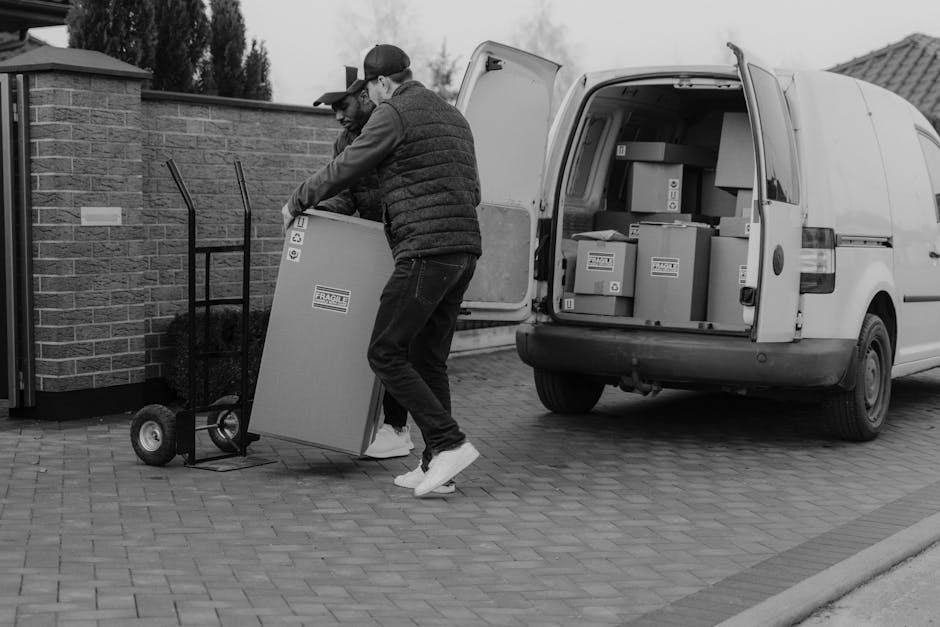
Bounds Green man with van guide to narrow terrace moves

If you are planning a move in Bounds Green, narrow terrace streets can turn a simple job into a tight little puzzle. The van needs space. The boxes need order. And the staircase? Well, sometimes it feels like it was designed by someone who never moved a sofa in their life.
This Bounds Green man with van guide to narrow terrace moves is here to make the whole thing less stressful and a lot more manageable. Whether you are shifting a one-bed flat, a family home, or a few bulky pieces that simply will not fit in your car, the right approach can save time, protect your belongings, and reduce those awkward moments where everyone is standing around the front door wondering what to do next.
We will walk through how narrow terrace moves work, what to prepare, where people usually go wrong, and when a man and van service makes the most sense. There is also a practical checklist, a comparison table, and a few real-world tips that come from the sort of move where the kettle is still half-packed and somebody is trying to find the hallway light switch. Let's keep it useful, not fluffy.
Why Bounds Green man with van guide to narrow terrace moves Matters
Narrow terrace streets ask for a different moving strategy. That is the short version. Cars may be parked close together, doorways may be tight, and there may be very little room to swing a wardrobe without knocking a wall or scratching a bannister. In Bounds Green, where residential streets often feel compact and busy, the margin for error is small.
Using a tailored man with van approach helps because it puts flexibility first. You are not trying to force a huge moving lorry into a street that barely leaves room for a hatchback and a skipping child's scooter. Instead, the move is planned around access, load size, timing, and realistic walking distance from property to vehicle. That matters more than people realise until the day arrives.
It also matters for safety. Narrow stairs, low ceilings, shared entrances, and sharp turns can create risks for both your belongings and the people carrying them. If a move is badly planned, the result is usually the same: extra lifting, extra delay, and extra stress. Nobody needs that on moving day, especially not before lunch.
For a local move, the smartest job is often the one that looks boringly well organised. The van arrives, items are ready, the path is clear, and loading happens in a calm sequence. That kind of smoothness does not happen by accident.
How Bounds Green man with van guide to narrow terrace moves Works
A man and van move for a narrow terrace property usually follows a simple but carefully managed pattern. First comes assessment. The mover or removals team looks at the property type, the number of items, the stairs, the front access, and the parking situation. In a terrace, the front pavement and street layout often decide more of the plan than the inventory list does.
Then comes scheduling. If access is tight, an early start can be useful because roadside space is usually a bit easier to manage. In some cases, it helps to choose a time when neighbours are less likely to be blocking the street with short-term parking. That is not always possible, of course, but even a small timing adjustment can make loading far easier.
Next is packing and preparation. Items should be grouped by room and weight, with fragile goods protected properly. On a narrow staircase, carrying ten loose bits and pieces is a recipe for chaos. A trolley, blankets, straps, and good lifting technique all help, but the real win is reducing the number of awkward trips up and down.
On the day itself, a good mover will usually prioritise the largest or heaviest items first, then work through boxes and softer loads. In a tight terrace, the route matters: front door, hallway, stairs, and van should all be kept as clear as possible. Sometimes the person carrying the item will need to stop, pivot, and rethink the angle. That is normal. It is not a sign of failure; it is just what terrace moves are like.
If you want the wider service picture, you can look at the company's man with van service alongside related moving support such as removal services and home moves. For a broader sense of who they are and how they work, the about us page is useful too.
Key Benefits and Practical Advantages
The main advantage of a man with van service for a narrow terrace move is adaptability. You are not paying for a giant vehicle you do not need, and you are not relying on a one-size-fits-all approach. Instead, the move can be sized to the property and the street.
Here are the practical advantages that tend to matter most:
- Better access handling: Smaller vehicles are often easier to position near tight terraces.
- Lower handling stress: Fewer unnecessary trips when the load is planned properly.
- More efficient loading: A well-packed van makes much better use of limited space.
- Less disruption: Faster loading can mean less time blocking a narrow street or driveway.
- More flexible support: Ideal for partial moves, single-room moves, and furniture pick-ups.
There is also a psychological benefit that people often underestimate. When you know the van will fit the street and the crew understands the access, the whole day feels lighter. You stop worrying about whether the vehicle can turn the corner or whether the sofa will make it down the stairs without a fight. That peace of mind is worth quite a lot.
If your move includes a few awkward pieces, such as a bed frame, wardrobe, or dining table, a smaller-scale moving setup can be less intimidating than a full removal team. If you are clearing out only part of a property, you may also find useful options like furniture pick up or man and van removals.
Who This Is For and When It Makes Sense
This approach is especially useful if you live in a terrace, maisonette, or small flat in Bounds Green and the street access is not exactly generous. It is also a strong fit if you are moving a modest amount of furniture and boxes rather than the contents of a large house.
It makes sense for:
- tenants moving from a narrow terrace or converted property
- first-time buyers who do not have many bulky items
- people downsizing and taking only selected furniture
- students or sharers with a lighter load
- online sellers moving stock or equipment in smaller batches
- households needing a mix of transport and carrying help
It may also suit anyone who wants professional help without committing to a full-scale removal company. Not every move needs the biggest vehicle available. Truth be told, some of the smoothest moves are the quiet, practical ones where the van is just the right size and the team knows the local access quirks before they arrive.
If you are comparing broader moving support, it can help to look at man and van, movers, and removals near me to understand what level of service fits your load and your schedule.
Step-by-Step Guidance
Here is a clear way to tackle a narrow terrace move without making it harder than it needs to be.
- Walk the route first. Look at the front path, gate, hallway, stairs, and any awkward turns. If a wardrobe will need to twist halfway up the stairs, know that before the moving day, not during it.
- Measure the large items. Door widths, stair landings, and bulky furniture dimensions matter. A quick measure tape job can save a surprising amount of drama.
- Decide what travels and what does not. Narrow terrace moves are easier when you do not overpack the van. Be ruthless if you need to be.
- Pack by room and weight. Heavy boxes at the bottom, lighter items on top, and fragile things clearly labelled. Nothing fancy, just sensible.
- Reserve the easiest loading position you can. If the street allows it, plan where the van should stand and where items can be brought out safely.
- Protect the property. Use blankets, door guards, and floor coverings if needed. Narrow walls and tight corners are unforgiving.
- Load in a smart order. Heavy, awkward, and rarely needed items first; essentials last so they come out quickly at the other end.
- Keep a small essentials bag separate. Tea bags, charger, documents, medication, keys. The usual suspects.
One small but useful habit: label boxes by destination room and priority, not just by contents. "Kitchen - first day" is a lot more helpful than "miscellaneous." A move is busy enough already.
If packing feels like the hardest bit, support from packing and unpacking services can take the edge off, especially when you are short on time or trying to reduce damage risk. For larger household relocations, house removals and house movers may be more suitable.
Expert Tips for Better Results
The best advice for terrace moves is often the least glamorous advice. Measure, plan, label, and keep walkways clear. Not exciting. Very effective.
Here are a few field-tested ideas that make a real difference:
- Remove obstructions before the van arrives. Shoes by the door, recycling bags, prams, and plant pots all eat space when you least want them to.
- Use temporary parking space wisely. If the van can wait nearby until the load is ready, avoid repeated repositioning.
- Disassemble furniture where sensible. Bed frames and table legs are much easier to carry than fully assembled pieces.
- Protect corners and banisters. One scrape on a painted wall can take the shine off a well-run move.
- Keep one person on "route watch." Someone should be thinking about the doorway, the street, and the path ahead, not just carrying.
A good mover will also know when to pause and re-angle an item rather than forcing it. That pause can feel slow in the moment, but it usually saves time overall. And yes, sometimes the sofa just needs a second look. Happens all the time.
For customers who want reassurance around safety and handling, the company's insurance and safety information and health and safety policy are sensible pages to review before booking.
Common Mistakes to Avoid
Most problems in narrow terrace moves come from underestimating the space or overestimating what can be carried in one go. It sounds obvious, but people still do it all the time, usually because moving day is busy and everyone wants to get it done quickly.
- Booking a vehicle that is too large: Bigger is not always better in a tight terrace street.
- Leaving packing to the last minute: Rushed packing leads to damaged items and awkward loading.
- Ignoring stair or doorway measurements: If it barely fits, it may not fit once the angle changes.
- Not checking parking reality: Street access can be the make-or-break issue.
- Failing to label essentials: The kettle, phone charger, and basic documents should never go missing in a sea of boxes.
- Trying to move everything yourself: A light move can quickly become a heavy one when the stairs are narrow and the item is oddly shaped.
Another common slip is forgetting that the destination matters too. A narrow terrace move out of Bounds Green may be only half the story if the new place also has tight access. In that case, the whole process needs planning at both ends, not just the start.
If you are moving a business or workspace rather than a home, the same access logic still applies. You may want to look at office removals or commercial moves for a better fit.
Tools, Resources and Recommendations
You do not need a truckload of specialist equipment to make a terrace move work, but the right basic tools help a lot. A few simple items can reduce strain and speed up loading.
- Measuring tape: For doors, stairs, hallways, and bulky furniture.
- Furniture blankets: To protect finishes and soften impacts in narrow spaces.
- Straps or tie-downs: Helpful for keeping items steady in the van.
- Box labels and marker pens: Nothing fancy, just practical.
- Gloves with grip: Better hold on awkward items, especially in wet or chilly weather.
- Dolly or sack truck: Useful where the route allows it, though stairs will still need manual care.
For many people, the best "resource" is actually a detailed moving plan. That can be a simple page of notes listing the order of items, the likely loading sequence, and the names of anyone helping on the day. If that sounds over-organised, fair enough. But on moving day, a quiet plan beats a loud panic.
You can also review useful service pages such as moving van, removal van, and removal company if you are comparing the kind of vehicle and support you may need.
Law, Compliance, Standards and Best Practice
For most domestic moves, the key issues are not complicated law questions so much as practical best practice, care, and safe handling. Still, there are a few UK expectations worth keeping in mind.
Roadside loading should be done sensibly and without blocking access more than necessary. If parking is difficult, it is wise to plan timing carefully and keep the loading process efficient. In some streets, local parking restrictions or permit rules may affect what is possible, so checking the practical realities in advance is sensible. It is not the glamorous part of moving, but it matters.
For lifting and carrying, safe manual handling is the core principle. Heavy or awkward loads should be assessed before anyone tries to move them. If something looks too large for the stairwell, treat that as a warning, not a challenge. Good movers know this instinctively; good customers learn it quickly.
Insurance and service terms matter too. You should understand what is covered, how fragile items are handled, and what the booking conditions say about access, delays, and cancellation. The pages on terms and conditions, payment and security, and privacy policy provide the kind of background a careful customer should check before confirming anything.
Finally, if sustainability matters to you, many people like to sort unwanted furniture and packaging responsibly as part of the move. The company's recycling and sustainability information is worth a look when you are deciding what to keep, donate, or dispose of.
Options, Methods, or Comparison Table
If you are deciding between a few different move types, the best choice usually depends on how much you are moving and how tight the access is. Here is a simple comparison.
| Option | Best for | Strengths | Watch-outs |
|---|---|---|---|
| Man with van | Small to medium terrace moves | Flexible, practical, easier in narrow streets | May be limited for very large house loads |
| Full removal service | Larger family homes or complex moves | More hands, more support, often more structured | Can be more than you need for a light move |
| DIY with a hired van | Confident movers with simple loads | Low-cost control over the day | More labour on you, more risk in tight spaces |
| Furniture-only collection | Single pieces or partial clearances | Quick and focused | Not suitable for full home relocations |
If you are still unsure, think about the awkwardness of the access before thinking about the item count. A modest number of bulky items in a cramped terrace can be harder than a larger number of small boxes in a roomy property. That is the bit people miss.
Case Study or Real-World Example
Picture a typical Bounds Green terrace move on a damp Friday morning. Nothing dramatic, just one of those days where the pavement is a bit slick, the neighbour has parked a little too close, and there is a wardrobe in the upstairs bedroom that seemed smaller when it was bought.
The first job is to clear the hallway and the front step. Boxes are grouped near the door by room. The bed frame is dismantled in advance, which immediately makes the stairs less of a battle. One person manages the doorway, another carries, and the van is positioned so loading does not involve a long walk back and forth. Not glamorous. Very effective.
Because the crew has already checked the route, there are no surprises when the sofa reaches the stair turn. It has to tilt. Then pivot. Then pause for a second while somebody says, "hold on, a touch more to the left." That moment, which could have become a small disaster, turns into a routine adjustment.
The move finishes without any wall scuffs, and the customer can find the essentials bag straight away. Tea gets made before most of the boxes are even unpacked. Honestly, that small victory often sets the tone for the whole first evening.
Practical Checklist
Use this checklist in the day or two before your move. It is simple on purpose.
- Measure large furniture and key doorways
- Confirm van access and likely parking space
- Pack boxes by room and label them clearly
- Separate fragile items and essentials
- Dismantle furniture where possible
- Clear hallways, stairs, and front entrances
- Protect floors, walls, and furniture edges
- Check service terms, insurance, and payment details
- Keep keys, documents, and chargers in one place
- Leave yourself a little buffer in the schedule, because delays happen
Expert summary: the safest and smoothest narrow terrace move is usually the one that is planned around access first, load second, and speed third. Fast is nice. Controlled is better.
Get a free quote today and see how much you can save.
Conclusion
A narrow terrace move in Bounds Green does not have to feel like a squeeze from start to finish. With the right preparation, a sensible vehicle choice, and a team that understands local access challenges, the process becomes much more predictable. That is really the goal: fewer surprises, fewer delays, and fewer things banging against a banister.
This Bounds Green man with van guide to narrow terrace moves has focused on the practical side because that is where most of the value is. Measure properly. Pack with intention. Keep the route clear. Choose the right type of support. Small decisions stack up quickly on moving day, and they can make the difference between a frazzled morning and a move that feels almost calm.
If you are ready to take the next step, use the information above to decide what level of help you need, then make the booking process simple and clear. Moving day may never be anyone's favourite day, but with the right plan, it can be a good deal less painful. And sometimes that is enough.
Frequently Asked Questions
What makes a narrow terrace move different from a normal house move?
The main difference is access. Narrow stairs, tight hallways, limited front space, and awkward parking can all slow things down. The moving plan has to fit the property, not just the furniture.
Is a man with van service suitable for a terrace house in Bounds Green?
Yes, often it is. A man with van setup is usually a strong fit for smaller to medium moves, especially where the street is tight and a larger vehicle would be awkward.
How do I know if my furniture will fit through the stairs?
Measure the widest parts of the item, then compare that with the stair width, landing space, and doorway size. If an item looks borderline, dismantling it is usually the sensible move.
Should I book a larger removal vehicle just in case?
Not always. In a narrow terrace, a vehicle that is too large can create more problems than it solves. It is better to match the van size to the access and the actual load.
What should I pack separately for moving day?
Keep essentials with you: keys, ID, chargers, medication, basic documents, snacks, and anything you need the first night. A kettle and tea are not legally essential, but they do help morale.
How can I make loading faster in a tight street?
Have everything packed before the van arrives, keep the entrance clear, and group items near the door if you can do so safely. The less the crew has to search for, the smoother it goes.
Do I need help with packing and dismantling furniture?
If the move includes bulky pieces or fragile items, packing support can be a smart choice. Dismantling furniture in advance often saves time and reduces the risk of damage on narrow stairs.
What if parking is difficult outside my terrace?
That is common enough in residential streets. The best approach is to plan for the most realistic loading point available and keep the move efficient. If parking is especially tricky, mention it early when arranging the job.
Can I combine furniture collection with my move?
Yes, if it makes sense for the schedule and the load. Smaller unwanted items or single pieces can sometimes be handled alongside a home move, especially if you are clearing a room as part of the process.
What should I check before booking a man and van service?
Check what is included, how access issues are handled, whether insurance is covered, and how payment works. It is also worth confirming the terms around delays, fragile items, and cancellation.
Is a terrace move more likely to damage walls or furniture?
It can be if the route is cramped or the item is oversized. Proper padding, careful lifting, and a clear loading path reduce the risk significantly.
When should I choose a full removal service instead?
If you are moving a larger household, have lots of heavy furniture, or need more hands on site, a full removal service may suit you better. For lighter loads and tighter access, a van-based move is often the more practical option.